
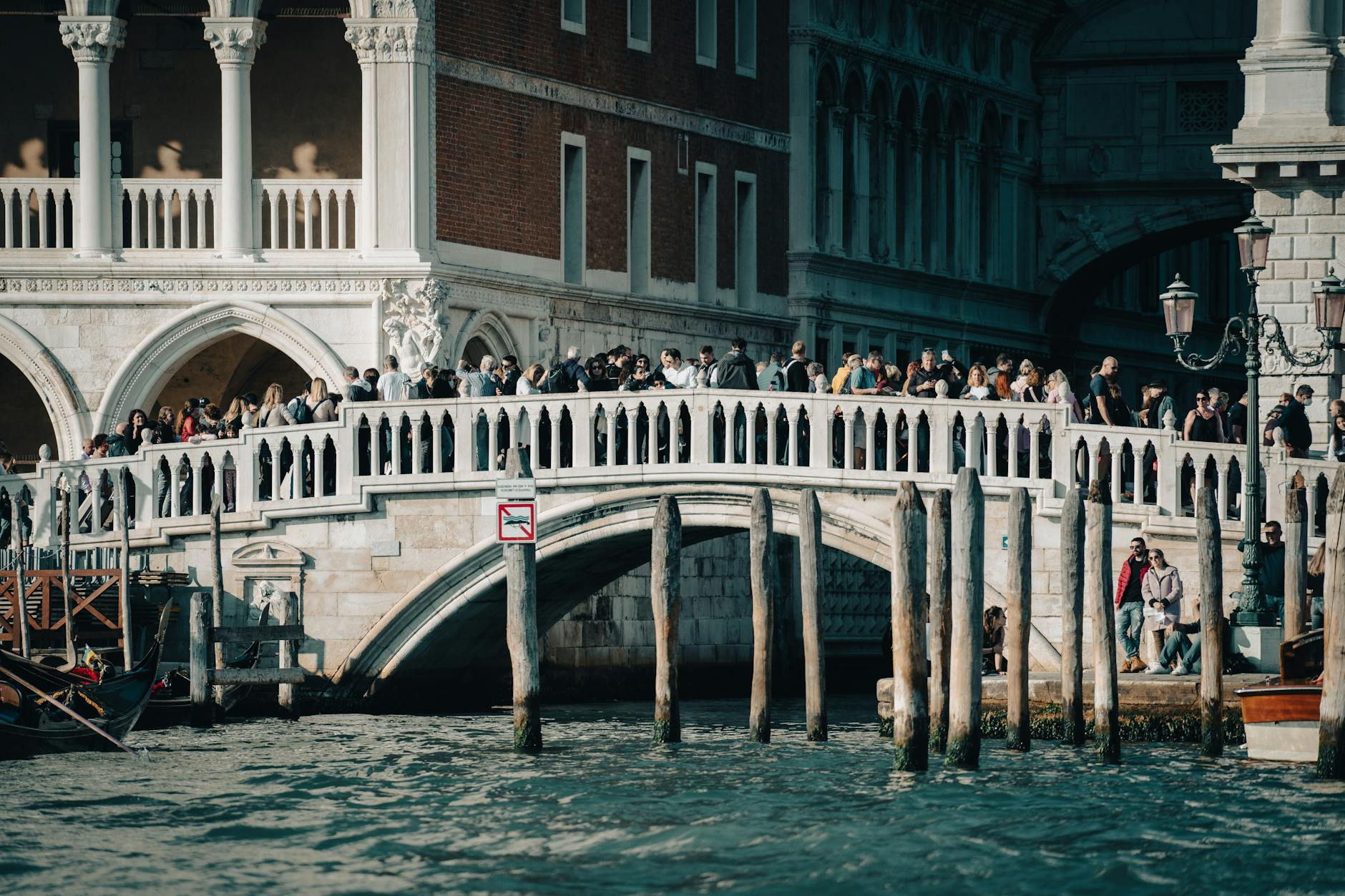
You love to travel. So do we. And that’s exactly why this conversation matters.
Overtourism is one of the biggest challenges facing destinations today. It happens when too many visitors arrive at once. Streets overflow. Rents rise. Locals feel pushed out of their own neighbourhoods. The very things that made a place magical start to disappear.
Here’s the thing: no one books a trip wanting to cause harm. But sometimes, without realising it, we do. The good news? A few honest questions before you book can change everything.
Ask yourself these questions before you hit “book”
1. Am I following a trend or making a real choice?
Think about why you chose this destination. Did you see it on social media? Did a reel with millions of views plant the idea?
Trending destinations attract enormous crowds fast. But locals often bear the costs — noise, congestion, and rising prices — while visitors snap their photos and leave.
Try this: Search the destination’s name plus the word “overtourism.” See what comes up. If locals are protesting, that tells you something important.
2. Am I travelling at the worst possible time?
Peak season sends a flood of visitors to places that can’t absorb them. Everyone arrives at once. Queues stretch for hours. Locals can’t move through their own streets.
Try this: Look up shoulder season for your destination. Visiting just six to eight weeks earlier or later can dramatically reduce your impact, and often improves your experience too.
3. Have I actually considered somewhere else?
We default to famous places. But lesser-known destinations nearby often offer just as much beauty, history and culture. They also have space for you. And they genuinely benefit from your visit.
Try this: Search “alternatives to [destination]” before you finalise anything. You might discover somewhere even better, and somewhere that actually wants more visitors.
4. Where am I planning to stay?
Short-term rental platforms like Airbnb have converted thousands of homes in popular cities into tourist accommodation. This pushes local families out of their neighbourhoods.
Try this: Choose family-run hotels, locally-owned guesthouses or accommodation outside the main tourist centre. Your money goes further and it goes to the right people.
5. Will I spread out — or pile in?
Even in a destination that handles tourism well, most visitors cluster in the same spots: the main square, the famous viewpoint, the beach everyone has seen online.
Try this: Plan to spend time in residential neighbourhoods. Eat where locals eat. Walk streets that don’t appear in guidebooks. This distributes your impact and gives you a richer experience.
You’re not the villain — you’re the solution
Overtourism doesn’t happen because travellers are careless. It happens because the systems around travel rarely encourage us to think this way.
But you can think this way. When you do, you travel better, you see more, you spend money in places that need it. And most importantly, you leave destinations in better shape than you found them.
That’s not sacrifice. That’s just good travel.
Share this article
Related articles


Sign up to the newsletter
Subscribe to the Transparent Traveller newsletter and receive the latest news and recommendations in responsible travel.